

 Fda Group Co., Ltd.
Waste Cooking Oil (WCO)


The Future of Used Cooking Oil
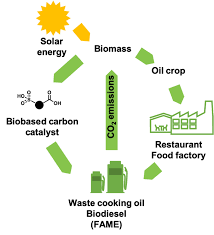
Biofuel Production: One of the most promising uses of UCO is conversion into biodiesel — a cleaner alternative to fossil fuels and supports Thailand’s commitment to sustainable energy and reduces dependence on petroleum imports.
Circular Economy: UCO recycling promotes a circular economy by turning waste into valuable products like soaps, animal feed (after treatment), and industrial lubricants.
Green Job Creation: The growth of UCO collection and biodiesel production can create employment opportunities in logistics, processing, and green tech.
The environmental and economic challenges posed by the over-reliance on fossil fuels have driven the search for alternative and sustainable energy sources. Waste cooking oil (WCO) presents a viable feedstock for biodiesel production, offering a dual solution to waste management and renewable energy generation. This comprehensive review examines the current state of biodiesel production from waste cooking oil, exploring the benefits, challenges, and processes involved. Biodiesel derived from WCO has several environmental advantages, including lower greenhouse gas emissions, biodegradability, and enhanced engine lubricity compared to traditional fossil fuels. Moreover, utilizing it for biodiesel addresses waste disposal issues, reducing the contamination of land and water resources. Despite these benefits, several challenges remain, such as the variability in its composition, contamination, and the need for efficient purification and transesterification processes. The review explores various methods for converting WCO into biodiesel, highlighting the key stages of the transesterification process, including the use of catalysts, alcohols, and reaction conditions. Additionally, advanced techniques such as ultrasound-assisted and microwave-assisted transesterification are discussed for their potential to increase efficiency and reduce processing time. This paper also addresses the sustainability aspects of biodiesel production from it, emphasizing its role in promoting a circular economy and reducing waste. The use of its contributes to a closed-loop system, where waste is transformed into a valuable resource. Furthermore, the review explores the economic and social impacts of biodiesel production, noting its potential to create jobs, reduce import dependence, and support local communities. In conclusion, this review underscores the significant potential of waste cooking oil in sustainable biodiesel production. It calls for continued research and technological innovation to optimize processes, enhance efficiency, and overcome existing challenges, thereby contributing to a cleaner and more sustainable energy landscape.